HAPPY BIRTHDAY, AMERICA!
America turns 250 this month and Talk of the Town is marking the occasion with a road trip down the Mother Road, a watch list that captures the full sweep of the American story, regional foods you may have never tasted, and a moment to honor the first peoples of this land.
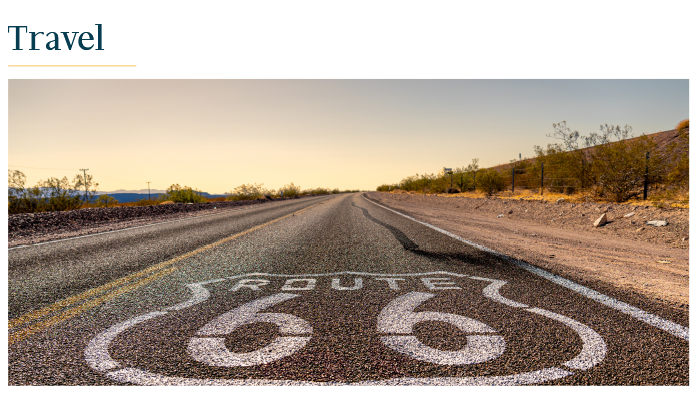
As America celebrates its 250th birthday, the Mother Road is turning 100. What better way to celebrate than taking to the highway on Route 66, the most iconic road in the country? Officially established on November 11, 1926, this ribbon of asphalt, neon, and nostalgia became the shortest year-round route between the Midwest and the Pacific Coast. Across the decades, it’s earned nicknames like “The Main Street of America” and has inspired everyone from John Steinbeck to the Rolling Stones.
All eight states along Route 66 are marking the centennial with special events, festivals, classic car parades, and community gatherings throughout the year. For Chicago-area travelers, there’s a particular thrill in knowing the journey begins right here—at the corner of Michigan Avenue and Adams Street, ending 2,400 miles later at the Santa Monica Pier.
Can’t do the whole route? You don’t need a coast-to-coast commitment to enjoy it. The Illinois stretch alone—through Springfield and down through the small towns of the heartland—offers a rich first taste of roadside America. Further west, the 116-mile stretch from Kingman to Oatman delivers dramatic high-desert scenery before climbing through the Black Mountains on a road nicknamed the Arizona Sidewinder, with 191 curves in just eight miles. Descending into Oatman, you’ll discover a former gold rush town where wild burros still roam the main street.
Book accommodations well ahead—2026 is shaping up to be a landmark year for Route 66 travel, and no-vacancy signs might be going up fast.
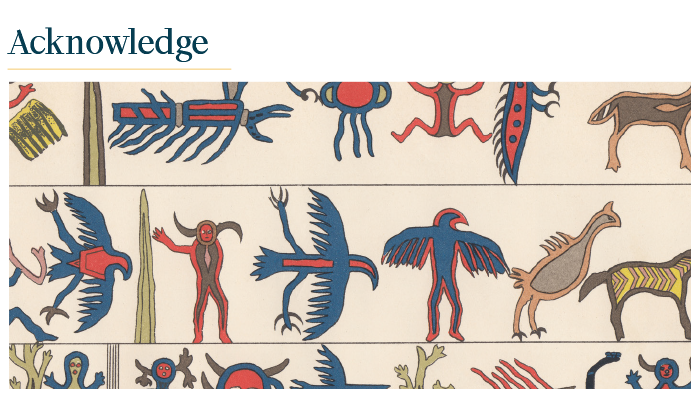
Long before the Declaration of Independence was signed 250 years ago, this continent was home to hundreds of distinct nations with rich cultures, languages, and traditions stretching back thousands of years. As we celebrate America’s founding, it’s worth pausing to recognize the first peoples who called this land home—and who never left.
Here in the Chicago area, that history is close and specific. The region and the broader Upper Great Lakes are the unceded, ancestral homelands of the Council of Three Fires—the Anishinaabeg (Ojibwe), Odawak (Odawa), and Bodéwadmik (Potawatomi) Nations—whose presence and culture endure to this day.
Two nearby museums offer meaningful opportunities to learn more. The Gichigamiin Indigenous Nations Museum in Evanston explores the history and living culture of the Great Lakes nations. In De Pere, Wisconsin, the Oneida Nation Museum tells the story of the Oneida people through artifacts, art, and oral history: a rich and deeply human portrait of a nation within a nation.
For those moved to do more, the American Indian College Fund supports Native students pursuing higher education—one of the most impactful ways to invest in the future of Indigenous communities.

America at 250 deserves a great watch list—and this one runs the full range, from purely joyful to genuinely essential.
Start with Forrest Gump (1994), the most purely American film ever made. Part love story, part history lesson, part shaggy dog tale, Tom Hanks’ accidental everyman bumbles his way through five decades of American life, from the civil rights movement to Vietnam to Watergate, reminding us that this country has always been complicated, and always worth rooting for.
For something deeper and longer, lose yourself in the world of Ken Burns. For more than forty years, Burns and his collaborators have created some of the most acclaimed historical documentaries ever made—exploring the Civil War, Jazz, Baseball, The Vietnam War, Country Music, and most recently The American Revolution and a new 2026 portrait of Henry David Thoreau. Pick a subject you love and plan to stay awhile.
And then there is Killers of the Flower Moon (2023). Martin Scorsese’s devastating adaptation of David Grann’s book chronicles a reign of terror against the Osage people in 1920s Oklahoma—a dark and essential chapter of the American story, told with unflinching honesty. It will stay with you long after the credits roll.

This Fourth of July, skip the hot dogs and explore lesser-known regional dishes that make American food culture so rich.
Chislic is South Dakota’s unofficial state snack, tracing its roots to Russian-German immigrants: cubes of red meat, traditionally lamb or mutton, are skewered and deep-fried or grilled, then served with saltine crackers and dipping sauce.
Salt Potatoes were born in the salt mines of 1800s Syracuse, New York, where workers boiled small unpeeled potatoes in heavily salted brine. The result is a uniquely tender, creamy potato with a thin, salty crust.
Johnnycakes are cornmeal flatbreads; long prepared by Native peoples, they were adopted by European settlers and have become a New England staple. Crispy outside, tender within, enjoy them sweet with maple syrup or as a savory side.